Learnings on how to embrace your unique skills to build AI workflows that scale your impact (while keeping your soul and creativity intact).
Not since the rise of the internet have we had such a fundamental step change in how we show up day to day.
AI has gone from a compete joke to something that can actually (when incorporated properly) help you double your output while improving quality.
This month I’ve literally seen 15 folks go from zero to saving 5+ hours a week through automations with 2-weeks of training.
And it’s becoming harder to ignore the rate of change.
Here is just 3-years of Midjourney improvements.

Same goes for content creation models.
In 2022 we had low quality garbage. But now? It’s starting to write better than me.
And in 2025 Google’s brand new Veo model is producing full scale (almost) real looking videos that you can create in the comfort of your home, in your PJs 🤯
With ChatGPT and Claude, just look at the difference between GPT-3 and GPT-4.
50x more context, going from bottom 10% to top 10%, 10x larger model size and more.
And now we have 4.5?!

It turns out no matter how good you are, and no matter what field you’re in, chances are you’re probably looking at learning how to use AI.
So at AirOps we decided to test out what happened if we led the charge.

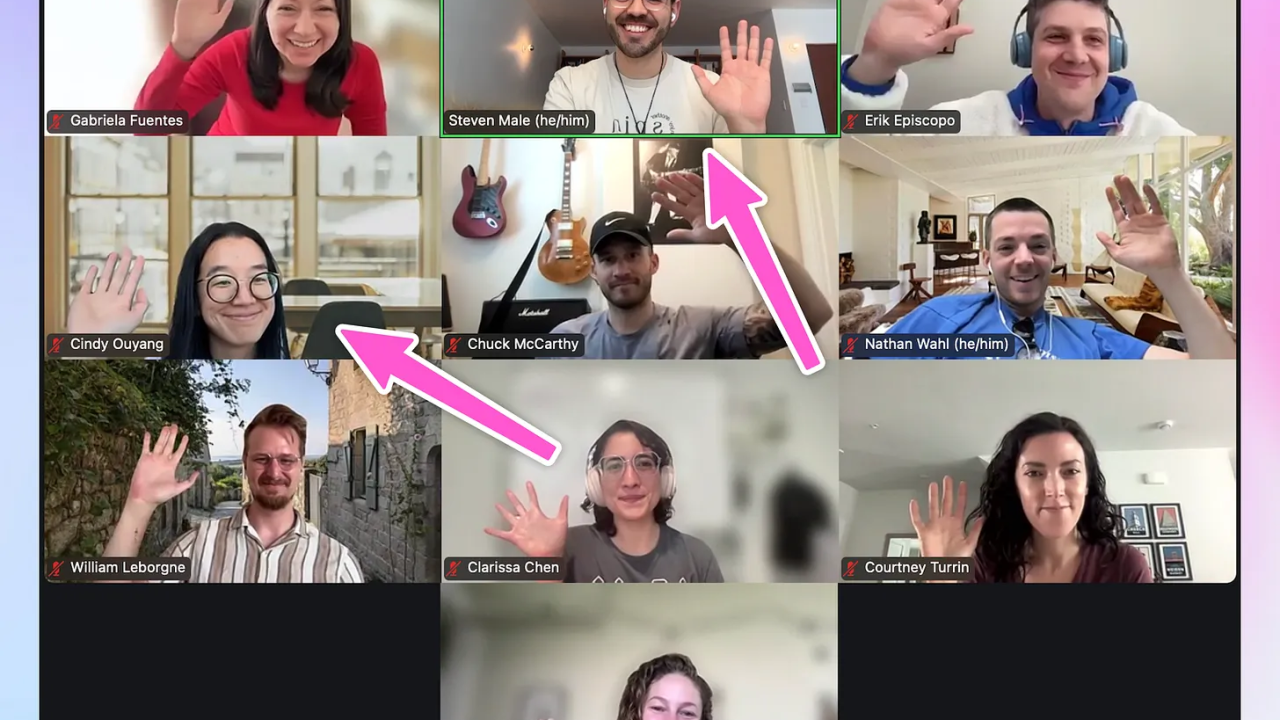
Middle arrow is me (pretty good at incorporating AI with marketing).
And the left arrow is Cindy, the lead AI workflow expert here at AirOps, who has spent the last 2+ years full time building the world’s best workflows and pushing the boundaries of what’s possible (really good at incorporating AI with marketing).
Since combining personal expertise with AI is going to be the focus of the next decade, I thought I’d start documenting the journey as we teach these skills!
So here’s how to embrace creativity and your unique skills to build AI workflows that scale your impact (while keeping your soul intact).

Lesson 1: We're All Learning AI
Seven months ago, I traded flat whites in New Zealand for oat lattes in New York.
(When you ask for a flat white here, they just tap the latte button 🫠)
And before I left New Zealand, AI was still used mostly for fun.
To create silly Midjourney images.
Or fun apps that predict Taylor Swift’s next album (I got pretty close).
But not many folks had figured out how to actually embed it into their every day process in a way that improved the quality of their work.
And just like the transition in coffee, I found myself transitioning from doing growth and AI to teaching artificial intelligence to industry leaders.

After we announced the cohort, and reading through the 500+ applications that rolled in within the first 24-hours, I was shocked about the spread of folks who were applying.
Directors & Heads of SEO & content at unicorn startups applying with the same eagerness as the Gen Z GTM engineer whose job titles was invented just a year earlier.
That’s when it started to really hit me.
Whether you have 20-years experience in your industry, or 2-months, we are all desperate to learn, and fast.
And no matter how much experience you have, we’re all learning this new tool, together.

Lesson 2: Your Current Skill Are A Huge Advantage
Two things became apparent as we kicked off the first session.
First was the healthy combination of nervousness and excitement reserved mostly for first dates that we were all experiencing.
Second was how relieved everyone was after doing the introductions.
Finding out that everyone else in this cohort is equally as awesome as the next created a huge sense of relief.
The relief that we’re not behind.
The other thing that stood out after running the first cohort was how far personal experience can take you.
AI doesn’t replace you, it empowers you.

There’s a huge difference in the quality of the outputs you can created because of your skill level.
So all the hard work you’ve done to get to this point is actually your advantage.
You’ve already done the hard part!
Your experience will actually help you think of things that no one else has done before, and solve problems in ways folks without the experience can’t imagine.
Now you hav the skill, you get to be creative with AI.
So keep that soul intact because you’re going to need it 😂


Lesson 3: It’s Easier Than You Think
It actually shocked me just how much the cohort did in 2-weeks.
The workflows they produced were mind blowing.
I was confident they’d learn a lot, but what they achieved was wild.
Here are just a few examples:
- Chuck McCarthy from Xponent21 built an entire workflow that transformed his 200-piece content strategy process from days to minutes.
- Clarissa C. from BigCommerce created a complete research-to-publish pipeline that now handles 60-70% of what she previously managed across multiple tools. In total this is 4-workflows linked together to research, public, and translate content!
- Erik Episcopo from Wiz developed a multi-layered content review system that slashed his review time from 2 hours per article to just 5 minutes while adding an additional layer of technical expertise in cybersecurity.
"I came in hoping to streamline a handful of tasks and left with something much more scalable and structured than I expected." - Clarissa
Now I’ll remind you, this is in two weeks! 🤯
This made me realize, learning AI is easier than you think.
And I can confidently say this after seeing the progression of the first cohort of 15.
It was during the demo day of cohort 1 I realized that learning skills like SEO and writing content, is like riding a normal bike.
And that learning AI is like riding an eBike.

Once you’re peddling, AI actually does most of the work for you.
And as models get more powerful, the bike becomes more powerful.
Your only real tasks?
Start peddling, steer the bike where you want it to go, and to give a little amount of guidance along the way.

So in summary:
- You’re not behind
- You’re experience will set you apart (woohoo, soul remains intact)
- It’s easier than you think to learn
If you’re curious about the latest and greatest of what we’re teaching, and other AI lessons broken down without the jargon & full of fun, follow along!
Originally published on LinkedIn. Follow the AI Marketing Field Guide on LinkedIn for more!